
Case Analysis: Gatere v Royal Tulip Canaan Nairobi & another [2026] KEELRC 2119 (KLR)
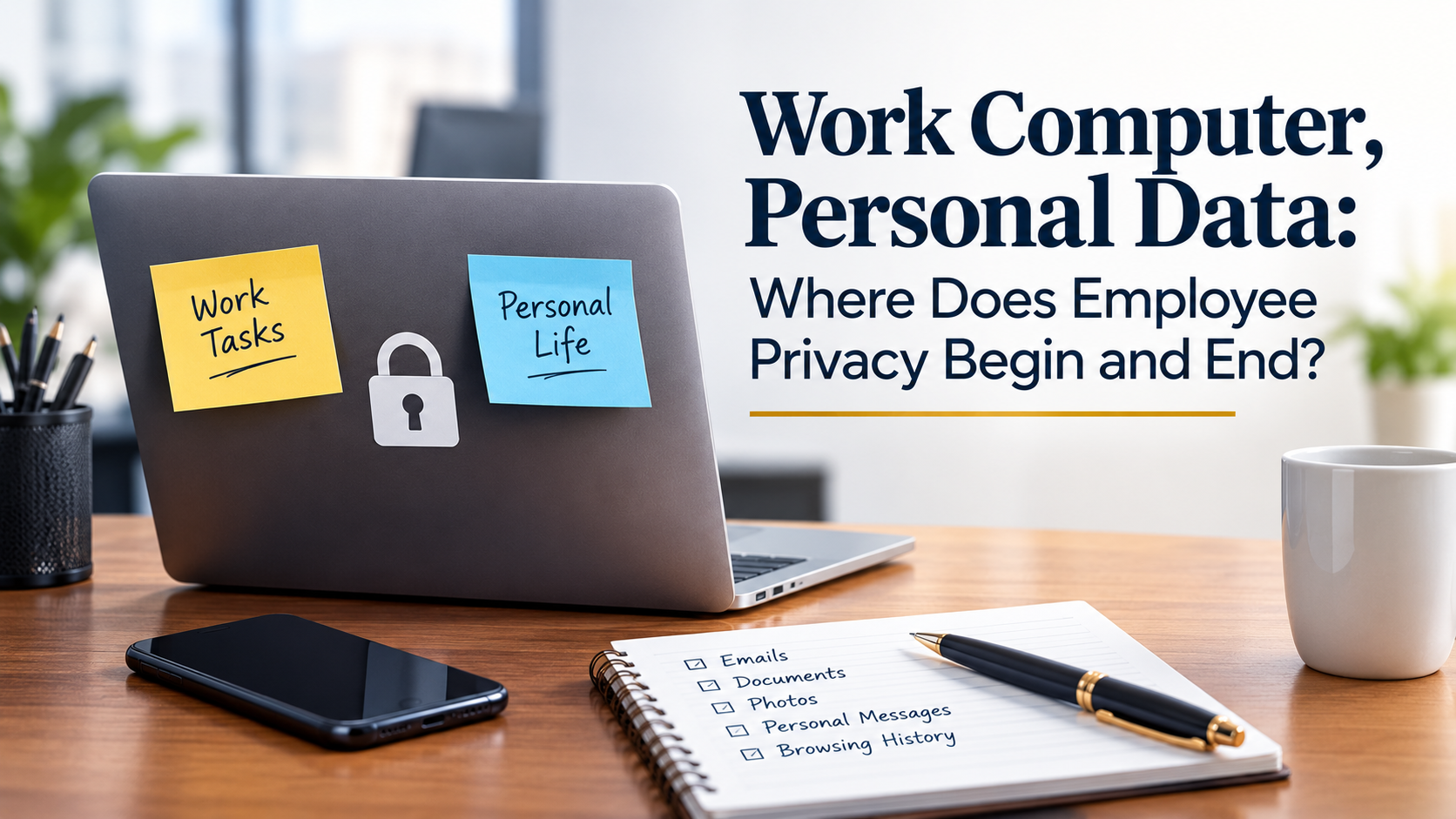
As workplaces run more of their business through computers, email and cloud platforms, one question keeps coming up: Can an employer inspect a work computer that contains an employee's personal information?
The Case
A double-booking incident prompted the employer to inspect an employee's work computer. The inspection showed that the employee hadn't been checking work emails or the events calendar and that she'd configured personal email and business interests onto the machine. The employee went to court and claimed the inspection breached her right to privacy under Article 31.
What the Court held
🔹 The computer belonged to the employer and had been inspected following a workplace incident.
🔹 The inspection was lawful, proportionate and undertaken for a legitimate business purpose.
🔹 An employee who uses an employer’s computer for personal communications or business may have a limited expectation of privacy when the employer legitimately inspects that device.
🔹 The employee had no proprietary right to access the employer’s computer after separation to retrieve personal data, particularly without proving that the employer continued to retain or misuse it.
Does this mean employers can monitor freely?
No. The ruling turned on its specific facts : a real trigger, a proportionate scope. Before monitoring or inspecting a device, employers should still ask: Is there a legitimate purpose? Is it necessary? Is it proportionate? Have employees been informed? How will any personal data encountered be handled?
Procedure and dignity still matter
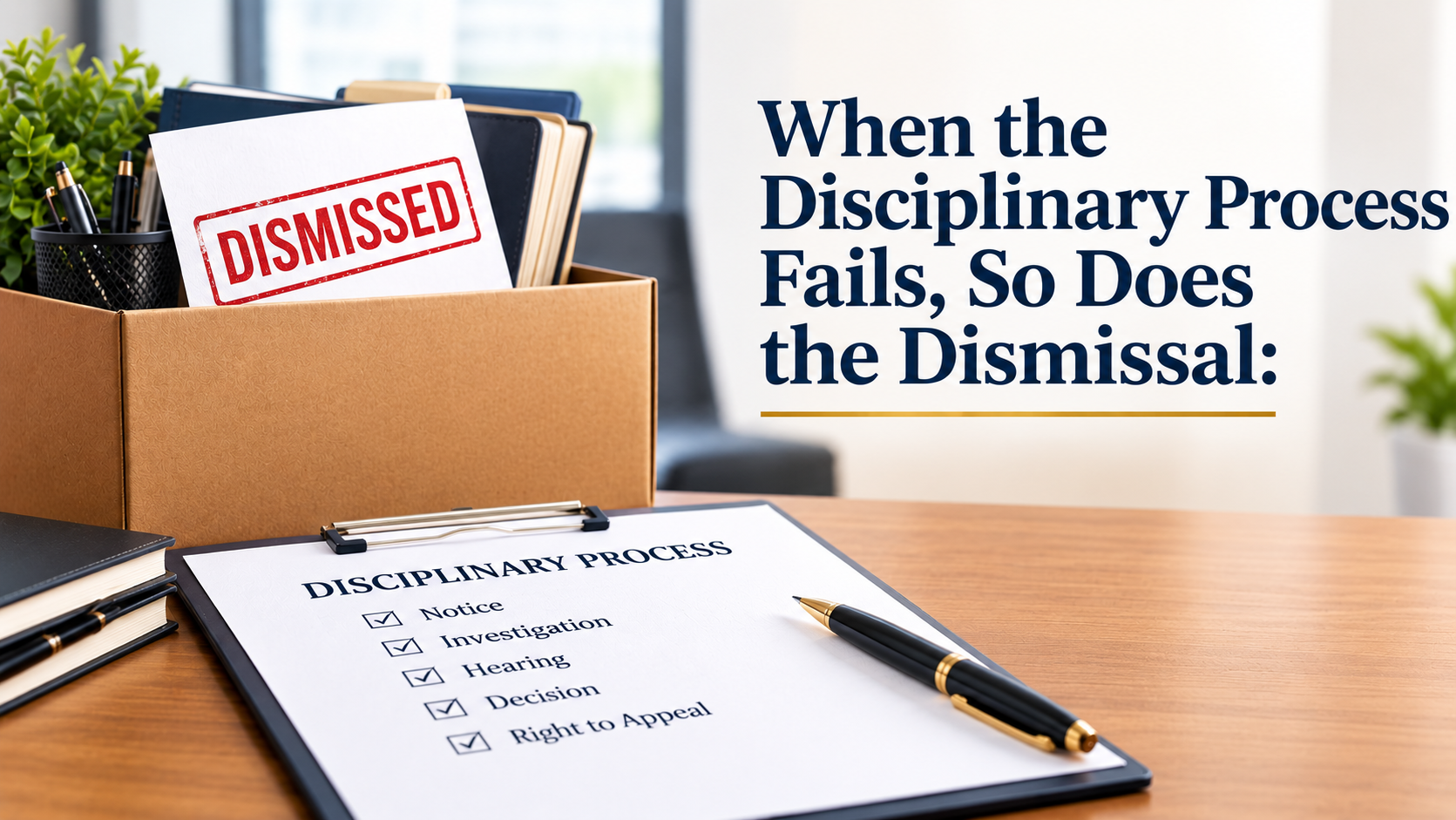
The Court found the dismissal procedurally unfair. The employee had effectively been fired verbally before any disciplinary process began, and later show-cause steps couldn't cure that. It further found she'd been harassed and physically intimidated, violating her rights to dignity, fair labour practices and fair administrative action. Winning on privacy didn't save the employer from liability on these points.
What this means for you;
- For employers: Have a legitimate reason to inspect a device, and follow a lawful, proportionate process that is backed by clear acceptable-use, monitoring, access-control and exit-management policies. A valid reason to investigate doesn't excuse an unfair process or undignified treatment.
- For employees: Treat employer-owned devices as workplace resources, not private space. Keep personal matters on personal devices
How We Can Help
At Wanjiru Nyaguthi & Company Advocates, we help employers navigate workplace privacy, employee monitoring and disciplinary processes in a way that protects the organization while respecting employees’ legal rights. We advise on and develop acceptable-use, device-monitoring, data protection, access-control and employee exit policies, review workplace practices for compliance and guide employers on lawful investigations, disciplinary action and handling personal information encountered on company systems.
We also advise employees on their rights where workplace monitoring, privacy, disciplinary procedures or treatment at work may be unlawful.